

Mercedes-Benz Services You Should Never Skip (If You Value Your Investment)
Mercedes-Benz Services You Should Never Skip (If You Value Your Investment)

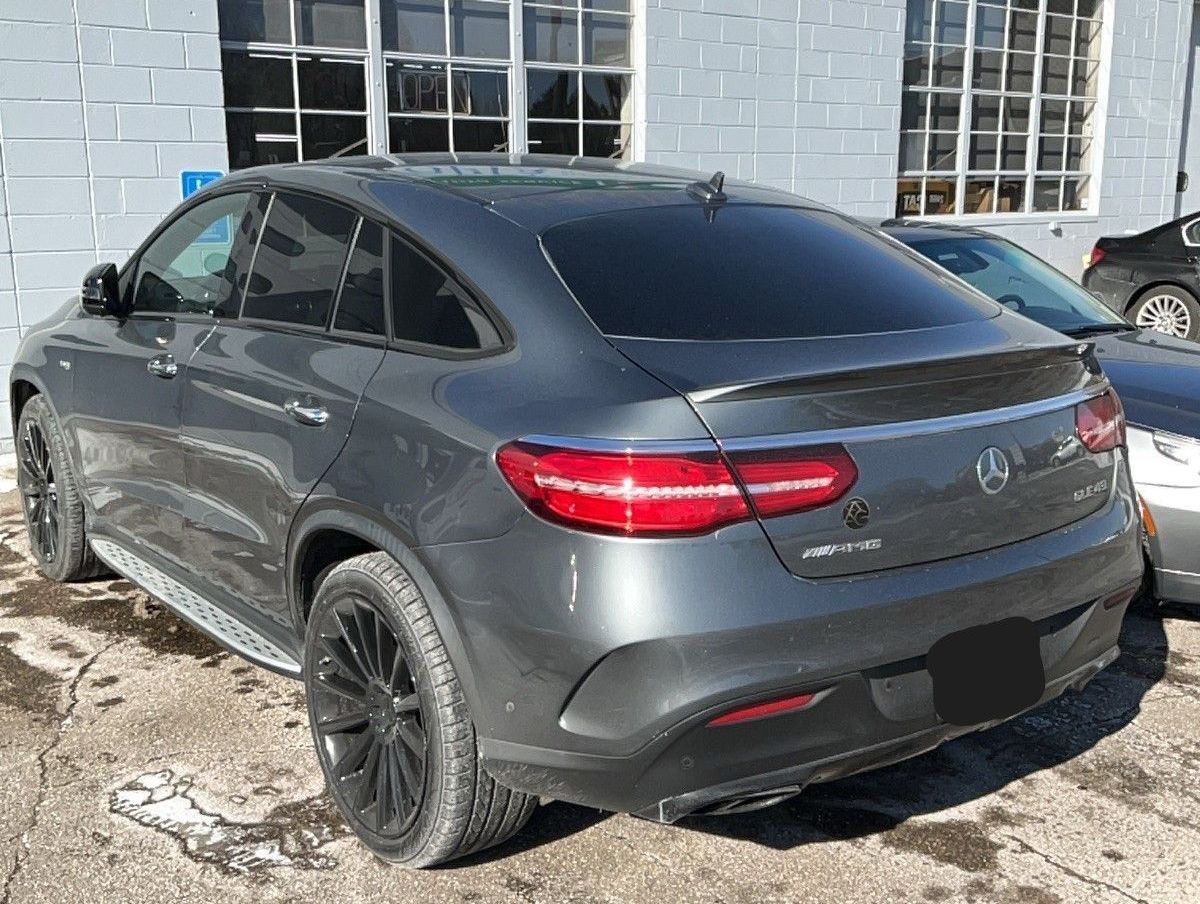
Owning a Mercedes-Benz is more than just driving a luxury car—it's investing in world-class engineering, comfort, and performance. But that investment needs protection. Whether you're behind the wheel of a sleek C-Class, a commanding GLE, or an innovative EQS, keeping your vehicle in peak condition requires consistent, specialized care. At Autopia Bloomington, we know that skipping key maintenance services can cost Mercedes-Benz owners thousands in long-term repairs. That’s why we’re highlighting the essential services that should never be skipped if you want your Mercedes to stay road-ready, stylish, and strong.
The Importance of Preventative Maintenance
Mercedes-Benz vehicles are designed with advanced technology and high-performance systems. Skipping maintenance isn't just risky—it can lead to breakdowns, decreased performance, and expensive repairs that could have been avoided with simple, routine service.
Top Mercedes-Benz Services You Should Never Skip
1. Scheduled A & B Services
Mercedes-Benz has a unique service system: Service A (usually at 10,000 miles) and Service B (typically at 20,000 miles). These include oil changes, fluid top-offs, brake inspections, and multi-point vehicle checks. Skipping either can compromise your warranty and vehicle health.
2. Brake System Inspections
From urban drives to highway cruising, your Mercedes' brake system is essential. Worn-out brake pads or neglected rotors can affect performance and safety. Get them inspected regularly.
3. Transmission Service
Mercedes transmissions are engineered for smooth, powerful shifting. Replacing transmission fluid and inspecting components at regular intervals prevents jerky driving and costly transmission overhauls.
4. Cooling System Flushes
Mercedes engines run hot. A neglected cooling system can lead to overheating and head gasket failures. Regular coolant flushes help maintain optimal engine temperature and prevent serious issues.
5. Battery & Electrical Checks
Modern Mercedes-Benz models are highly dependent on complex electronics. Battery inspections, alternator checks, and electrical diagnostics are key to preventing no-start conditions and dashboard errors.
6. Air Suspension System Maintenance
(for models like the S-Class or GLE) Mercedes' AIRMATIC suspension gives that cloud-like ride. But over time, components wear out. Regular inspection and timely replacement of struts and air compressors keep your ride comfortable and safe.
7. Tire Alignment and Balancing
To preserve performance and tire longevity, regular alignments are a must. Misaligned wheels can affect handling and accelerate wear—especially in performance-oriented Mercedes models.
8. Cabin & Engine Air Filter Replacements
Clogged filters reduce performance, affect fuel efficiency, and diminish air quality. Replace these regularly to ensure your Mercedes breathes clean.
Why Trust Autopia Bloomington With Your Mercedes-Benz?
We specialize in premium vehicle care and understand the nuances of Mercedes-Benz engineering. Our trained technicians use OEM-approved parts and diagnostic tools to ensure your vehicle gets the attention it truly deserves. From performance sedans to AMG beasts and electric models, Autopia provides high-quality service that prioritizes safety, performance, and long-term value.
Frequently Asked Questions About Mercedes-Benz Maintenance
How often should I bring my Mercedes in for service?
Mercedes recommends Service A every 10,000 miles or 12 months and Service B every 20,000 miles or 24 months. However, if you drive aggressively or in extreme conditions, you may need more frequent checkups.
Are Mercedes-Benz maintenance costs higher than other brands?
Typically, yes—because Mercedes vehicles use specialized components and require factory-grade care. However, consistent maintenance prevents far more expensive repairs down the line.
Can I use aftermarket parts for my Mercedes?
While some aftermarket parts work, it's best to use genuine or OEM-approved components. They’re engineered to match your Mercedes’ specifications and help maintain resale value.
What happens if I skip Service A or B?
Skipping scheduled services can void your warranty, lower your vehicle's performance, and lead to more serious mechanical issues that cost thousands to repair.
Do you service AMG and hybrid/electric Mercedes models?
Yes! At Autopia Bloomington, we have the expertise and tools to service AMG, hybrid, and electric models with the precision they require.
Keep Your Mercedes-Benz at Its Peak – Book Your Service Today
Don’t wait until small issues become big problems. Protect your Mercedes-Benz with expert care from Autopia Bloomington. Book your next service appointment today and experience why Mercedes owners across Bloomington trust us with their vehicles.