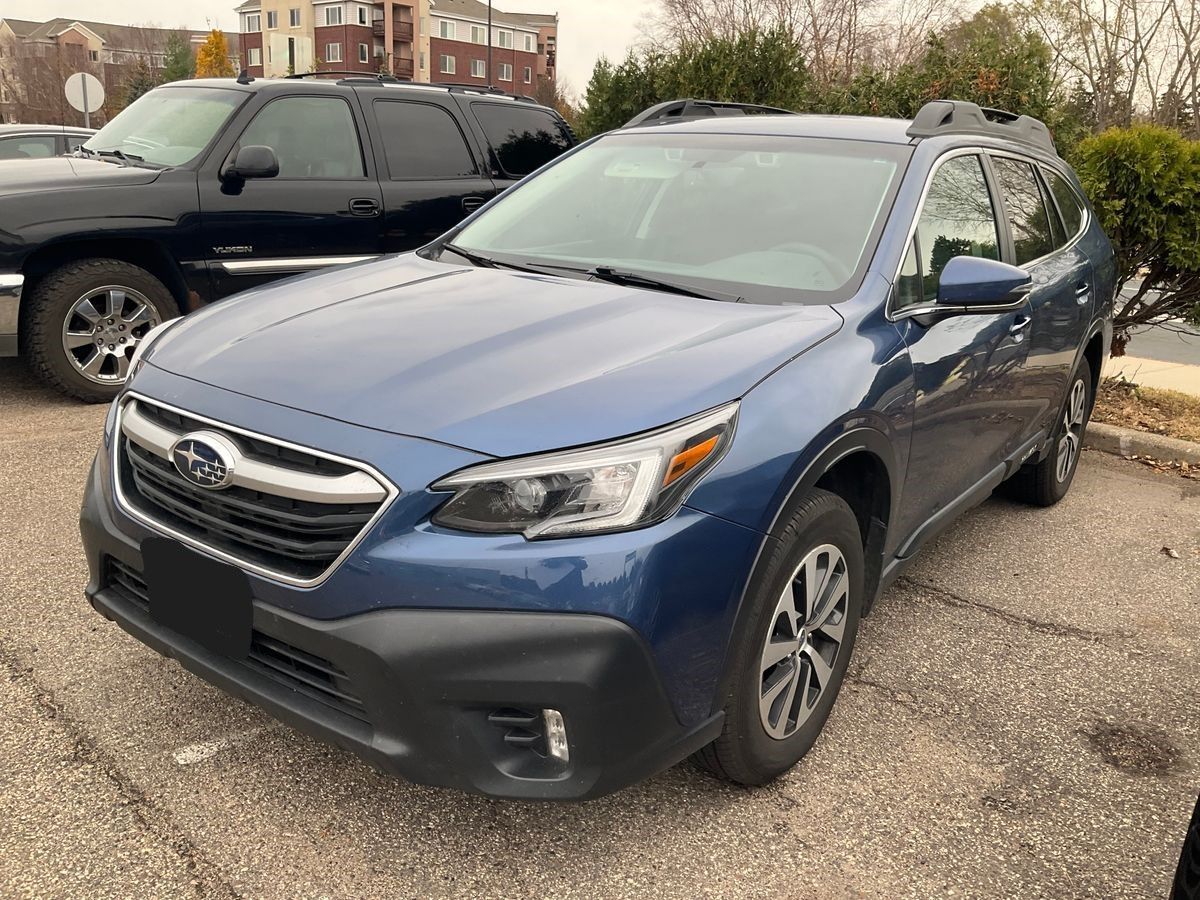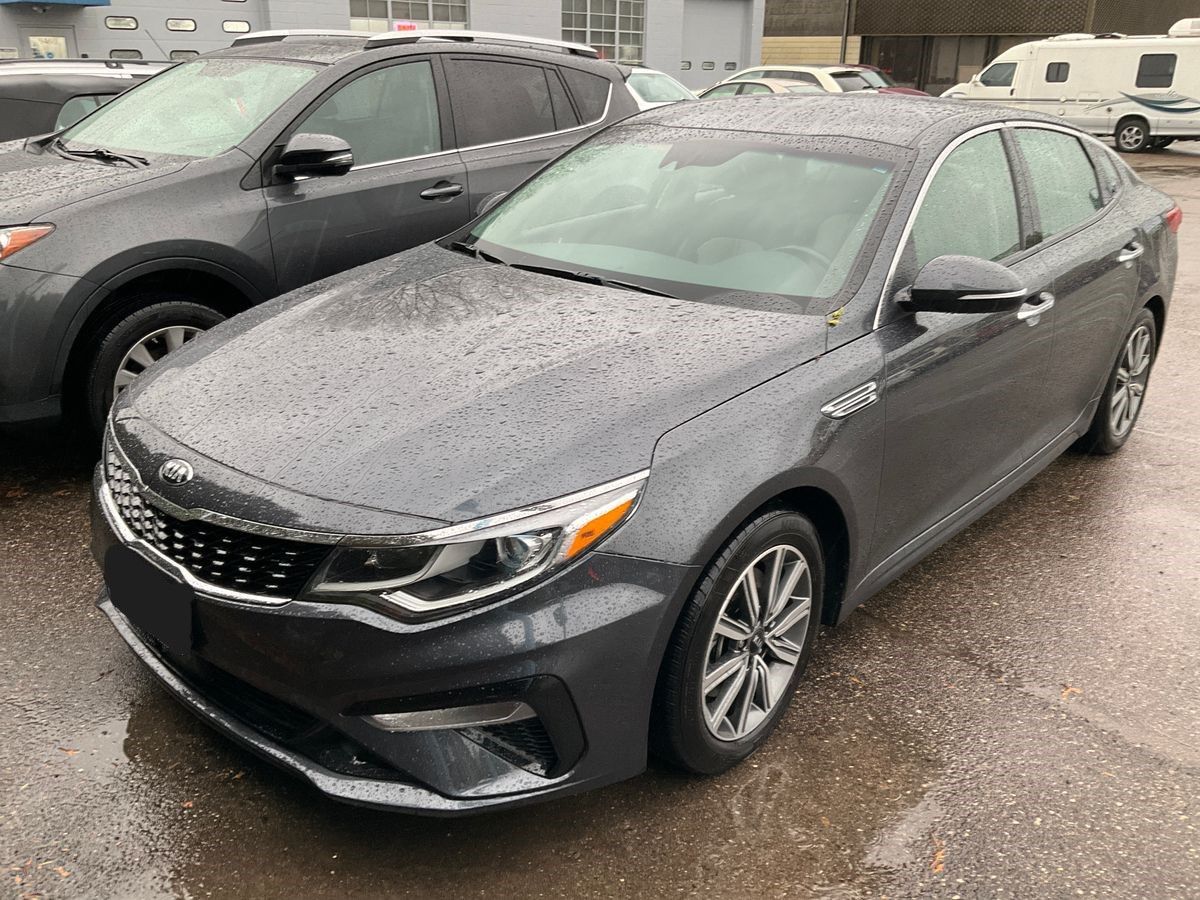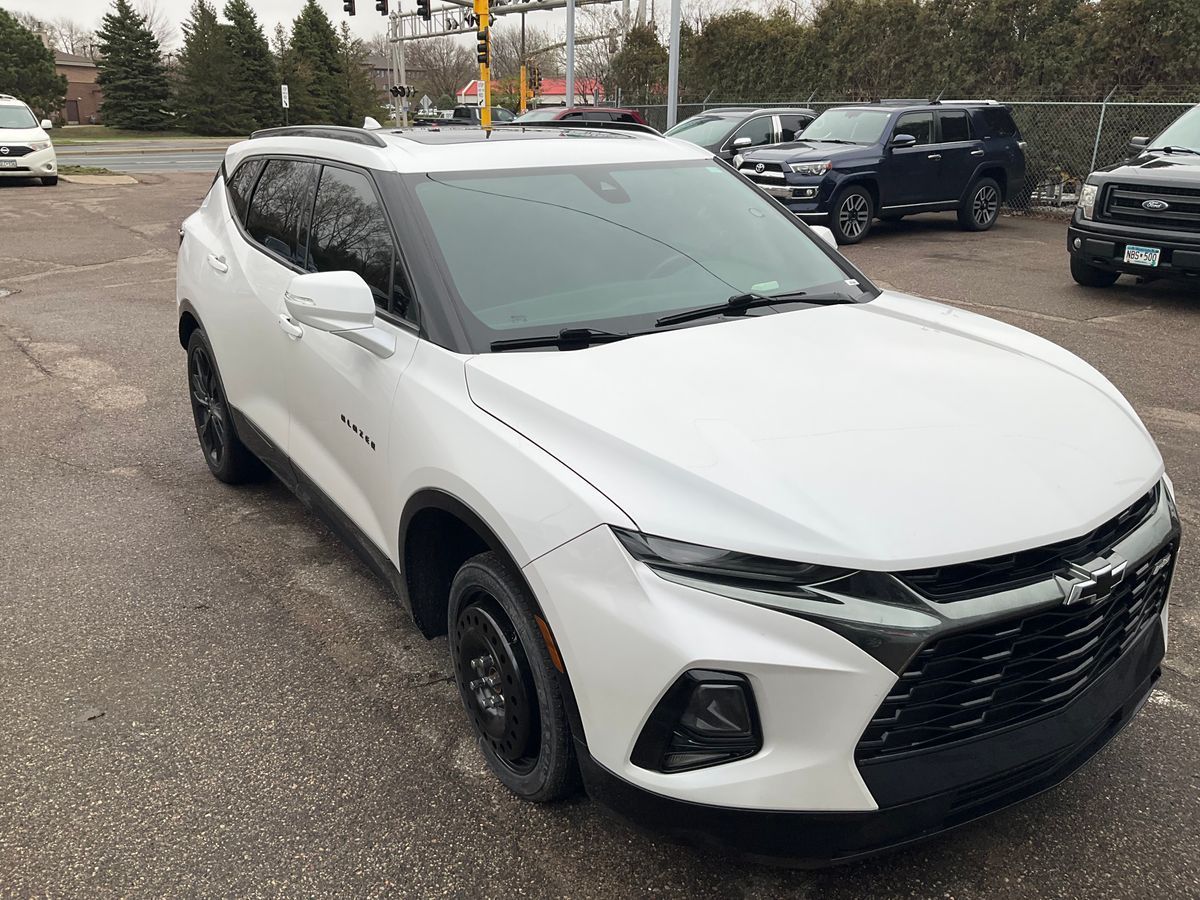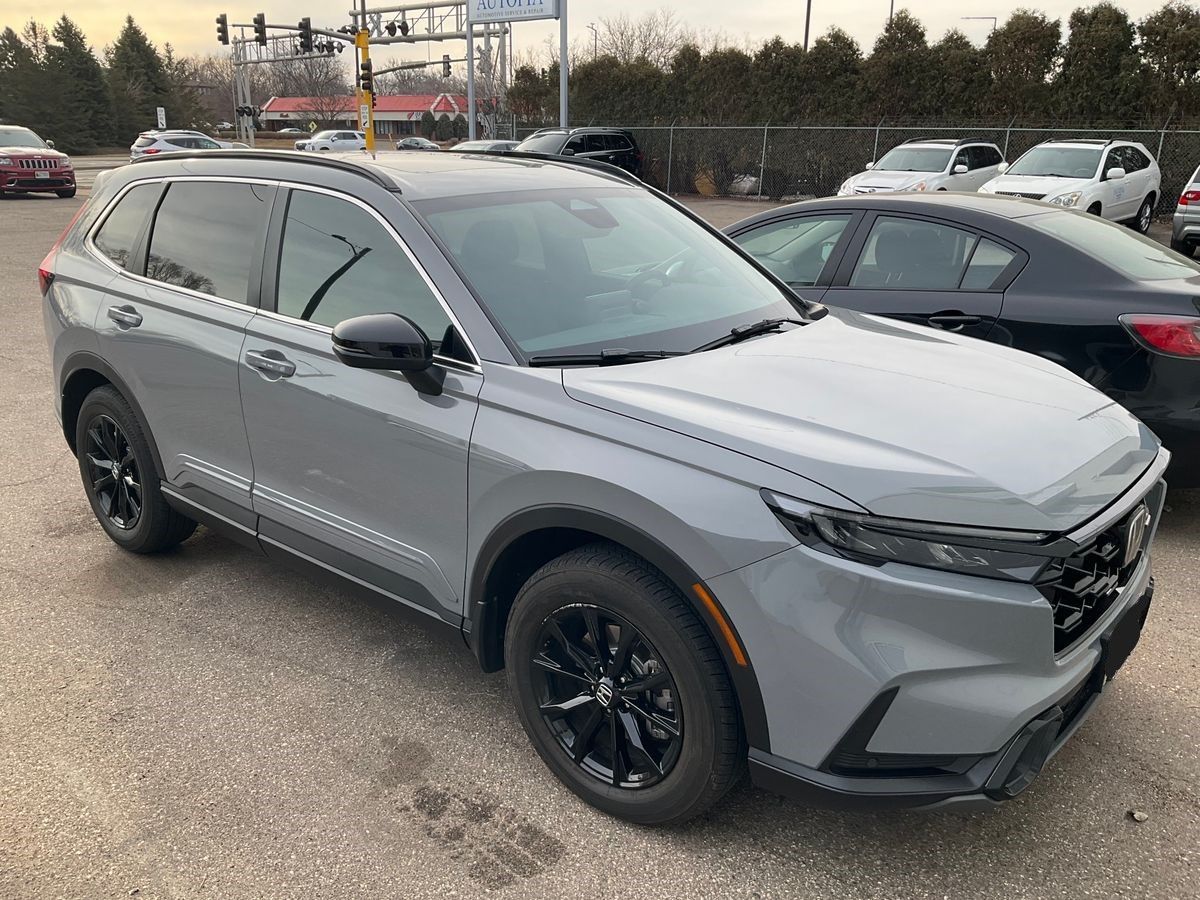


Is Your Car Shaking While Driving? Here’s What It Means and How to Fix It
nicklawson311 • March 24, 2025

Is Your Car Shaking While Driving? Here’s What It Means and How to Fix It
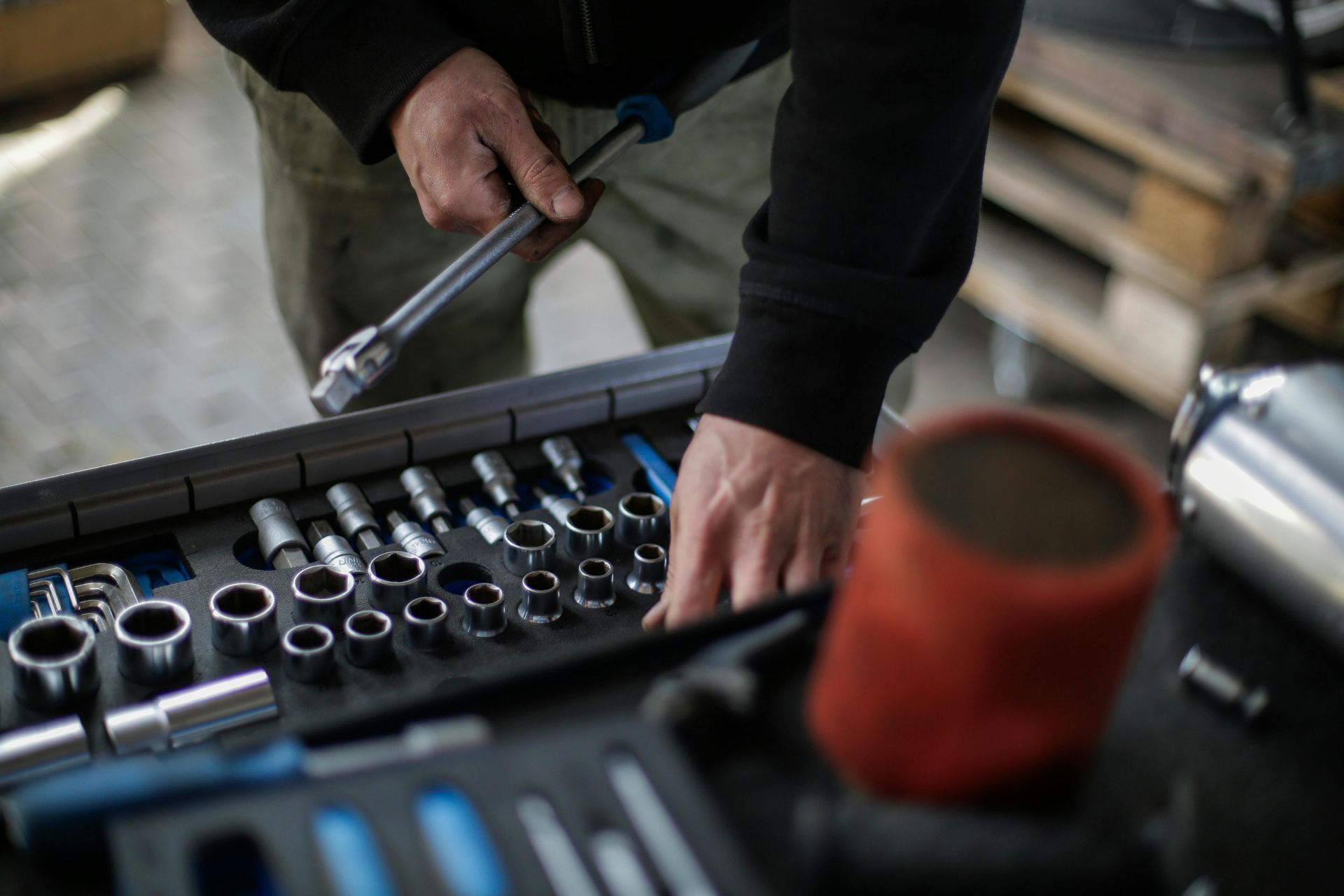
If your car is vibrating or shaking while driving, it’s more than just an annoyance—it’s a sign that something might be wrong. Ignoring these vibrations could lead to costly repairs or even unsafe driving conditions. At Autopia Bloomington, our expert technicians can quickly diagnose and resolve the issue, ensuring your car is running smoothly and safely.

Common Causes of Car Vibrations

Several factors could be causing your car to shake, and identifying the source is the first step to fixing it.

  • Worn-Out or Unbalanced Tires – Tires that are unevenly worn, improperly aligned, or unbalanced can cause noticeable vibrations, especially at high speeds.
  • Wheel Alignment Issues – Misaligned wheels can lead to uneven tire wear and instability, making your car shake or pull to one side.
  • Suspension Problems – Worn-out shocks, struts, or bushings can make your ride feel rough and unstable.
  • Brake System Issues – If you feel vibrations when braking, warped brake rotors could be the culprit, affecting stopping power and safety.
  • Engine or Transmission Problems – Faulty spark plugs, misfiring cylinders, or transmission issues can also cause your car to shake, especially when accelerating.
  • Damaged Axles or Driveshaft – If you’ve hit a pothole or curb recently, a bent axle or driveshaft could be causing the vibrations.

How to Fix a Shaking Car

The best way to stop your car from shaking is to address the root cause. Here’s what you can do:

  • Get a Tire Inspection – Worn or unbalanced tires can be corrected with rotation, balancing, or replacement.
  • Check Wheel Alignment – Proper alignment prevents uneven tire wear and keeps your ride smooth.
  • Schedule a Suspension Check – A professional inspection can identify worn-out suspension components that need replacing.
  • Inspect Your Brakes – Warped rotors or worn brake pads should be replaced to ensure smooth and safe braking.
  • Run an Engine Diagnosis – Our technicians at Autopia Bloomington can perform a full engine check to find and fix misfires, fuel system issues, or transmission faults.

Why Choose Autopia Bloomington?

At Autopia Bloomington, we specialize in diagnosing and repairing all types of car vibrations. Our skilled mechanics use advanced diagnostic tools to pinpoint the problem and provide reliable, long-lasting solutions.

  • Expert Technicians – Our team has years of experience fixing suspension, tires, brakes, and engine problems.
  • State-of-the-Art Equipment – We use modern diagnostic tools to find issues fast and accurately.
  • Customer Satisfaction Guaranteed – We prioritize your safety and vehicle performance.

Schedule Your Car Inspection Today

Don’t let a shaking car put your safety at risk. Bring your vehicle to Autopia Bloomington for a professional inspection and repair service.


Schedule your appointment today for a smoother, safer ride!
Schedule an Appointment
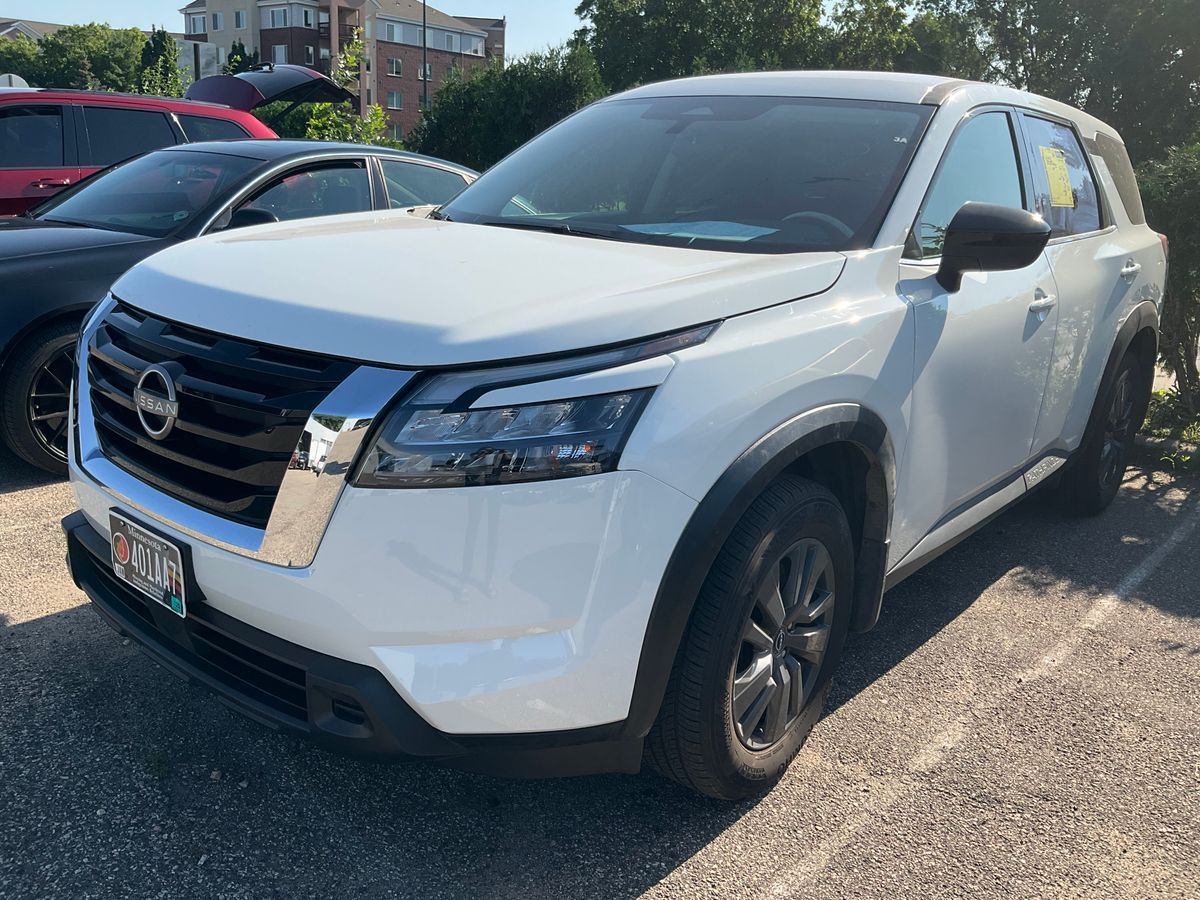
How Nissan Engines Show Gradual Combustion Efficiency Changes - Autopia Auto Repair
By nicklawson311 June 5, 2026
One of the most common yet least noticeable developments is a gradual shift in combustion efficiency. Unlike a sudden mechanical failure, these changes occur slowly over time, often without triggering warning lights or creating obvious drivability problems.
Why Subaru Vehicles Require Deeper Diagnostics for Subtle Performance Issues - Autopia Auto Repair
By nicklawson311 June 5, 2026
The challenge is not that these vehicles are unreliable, but that their systems are designed to adapt and compensate, which can hide early warning signs. This is why Subaru performance diagnostics often require deeper inspection methods than standard checks.
Why Kia Cars Show Subtle Changes in Power Delivery Over Time - Autopia Auto Repair
By nicklawson311 June 4, 2026
At Autopia Bloomington, we often see this pattern in Bloomington auto repair cases involving Kia models. These changes are usually gradual, not sudden, and they develop as multiple small systems begin to shift with age and use.
Why Mazda Cars Can Lose Smooth Acceleration Without Warning Signs - Autopia Auto Repair
By nicklawson311 May 29, 2026
Smooth acceleration depends on how efficiently the engine responds to driver input. In Mazda vehicles, this response can slowly change as small internal shifts develop over time.
Why Chevrolet Vehicles Experience Gradual Fuel Delivery Imbalances - Autopia Auto Repair
By nicklawson311 May 28, 2026
Оver time, many Chevrolet vehicles begin developing gradual fuel delivery imbalances that affect performance in subtle ways before becoming more noticeable.
How Honda Vehicles Develop Long-Term Engine and Transmission Stress - Autopia Auto Repair
By nicklawson311 May 28, 2026
Even reliable vehicles gradually develop engine and transmission stress over time. These changes often happen slowly and quietly, making them easy to overlook in the early stages.
How Chevrolet Vehicles Respond to Long-Term Road Condition Stress - Autopia Auto Repair
By nicklawson311 May 22, 2026
Chevrolet vehicles are built to handle a wide range of driving environments, from smooth highways to rough city roads. Over time, however, even well-built vehicles begin to show the effects of long-term road condition stress.
What Causes Nissan Vehicles to Develop Intermittent Performance Changes - Autopia Auto Repair
By nicklawson311 May 22, 2026
While Nissan models are generally reliable, intermittent performance issues are usually not caused by a single failure. Instead, they develop from small inconsistencies across multiple systems that only appear under certain conditions.
Why Toyota Vehicles Develop Performance Changes Even With Regular Use - Autopia Auto Repair
By nicklawson311 May 22, 2026
While these vehicles are built to last, every car still experiences gradual performance shifts over time—even with regular use and proper maintenance.
What Leads to Progressive Changes in Vehicle Operation Over Years - Autopia Auto Repair
By nicklawson311 May 15, 2026
Progressive changes in vehicle operation are normal—but they are not random. They are the result of long-term wear, habits, and environmental stress working together.