

Why That "Small Leak" Could Lead to Expensive Repairs
nicklawson311 • March 26, 2025

Why That "Small Leak" Could Lead to Expensive Repairs
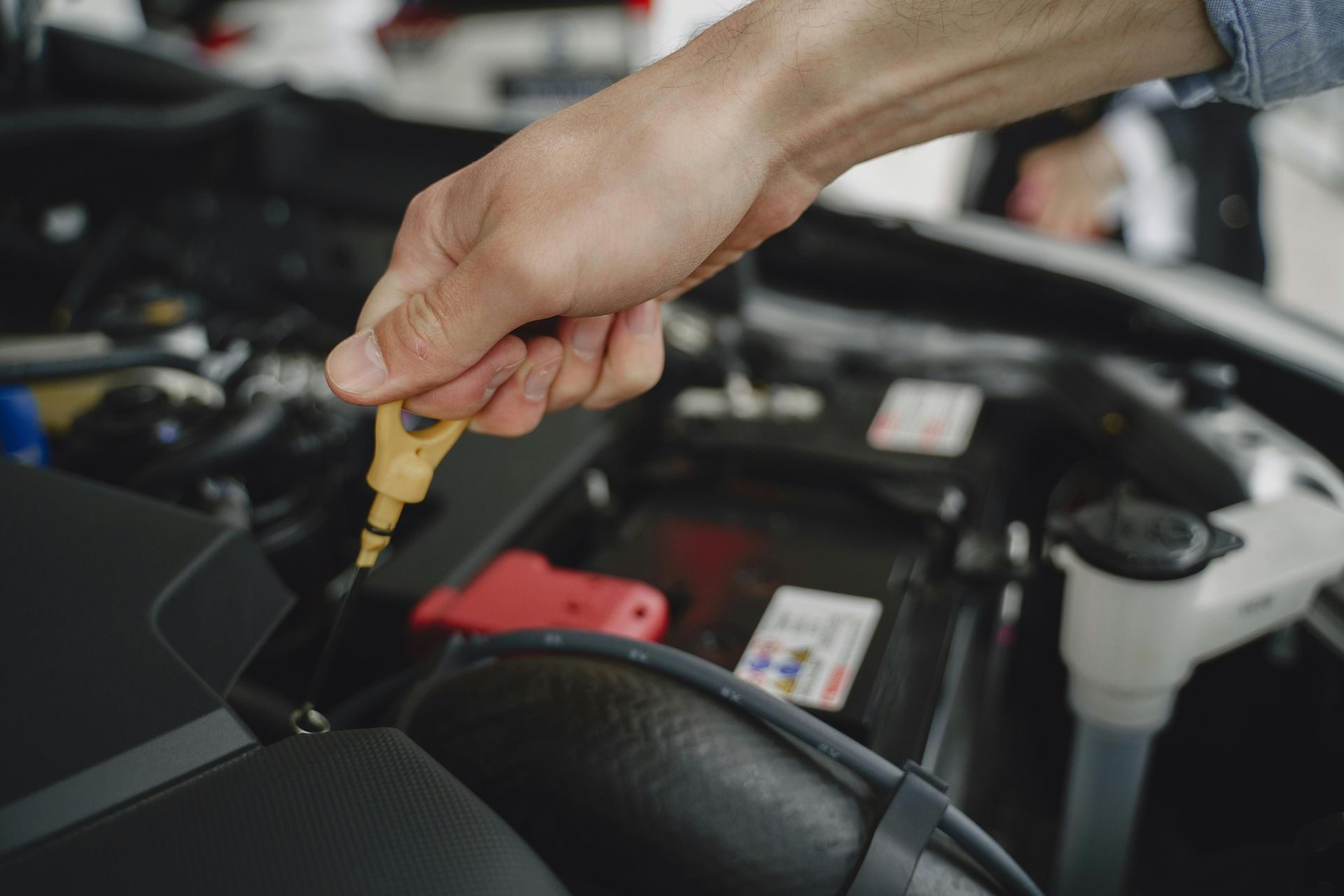
Noticing a small oil spot in your driveway or a bit of coolant under your car may not seem like a big deal—but ignoring it could lead to costly repairs and serious vehicle damage. At Autopia Bloomington, we specialize in identifying and fixing leaks before they become major problems, saving you money and keeping your car running smoothly.

Common Types of Car Leaks and Their Risks

Even a minor leak can signal a bigger issue under the hood. Here are the most common types of leaks and what they mean for your vehicle:

  • Oil Leaks – Engine oil keeps your motor running smoothly. Low oil levels due to leaks can lead to overheating, poor lubrication, and severe engine damage.
  • Coolant Leaks – A coolant leak can cause your engine to overheat, potentially leading to a blown head gasket or complete engine failure. If you notice a puddle of bright green, orange, or pink fluid, it’s time to get it checked.
  • Brake Fluid Leaks – Brake fluid is essential for your car’s braking system. A leak can result in a soft brake pedal or, worse, complete brake failure. This is a critical issue that needs immediate attention.
  • Transmission Fluid Leaks – Transmission fluid lubricates your gears and prevents overheating. Leaks can lead to rough shifting, transmission failure, and costly repairs.
  • Power Steering Fluid Leaks – If your steering feels stiff or you hear whining noises when turning, you might have a power steering fluid leak. Driving with low fluid can damage the steering system.

Signs Your Car Has a Leak

Leaks aren’t always obvious. Here are key warning signs that your vehicle may have a fluid leak:

  • Puddles Under Your Car – Different colored fluids under your car indicate a possible leak.
  • Dashboard Warning Lights – Low oil, coolant, or brake fluid warnings should never be ignored.
  • Burning Smell – If you notice a burnt oil or chemical smell, fluid could be dripping onto hot engine parts.
  • Harder Steering or Braking – Low fluid levels can make it harder to control your vehicle.
  • Overheating Engine – If your temperature gauge runs high, a coolant leak may be to blame.

Why You Shouldn’t Ignore a Leak

A small leak might not seem urgent, but delaying repairs can lead to:

  • Higher Repair Costs – What starts as a small issue can turn into a major mechanical failure.
  • Reduced Vehicle Performance – Fluid leaks can impact engine efficiency, braking power, and overall handling.
  • Safety Risks – Leaking brake fluid or power steering fluid can make driving dangerous.

Let Autopia Bloomington Fix Your Leaks Before They Get Worse

At Autopia Bloomington, our experienced technicians use state-of-the-art diagnostics to find and repair leaks quickly. Whether it’s oil, coolant, brake fluid, or transmission fluid, we’ll ensure your car stays in top condition.

Schedule Your Leak Inspection Today!

Don’t wait until a small leak turns into a big repair bill. Book an appointment with Autopia Bloomington today and keep your car running safely and efficiently!

Schedule an Appointment
How Nissan Engines Show Gradual Combustion Efficiency Changes - Autopia Auto Repair
By nicklawson311 June 5, 2026
One of the most common yet least noticeable developments is a gradual shift in combustion efficiency. Unlike a sudden mechanical failure, these changes occur slowly over time, often without triggering warning lights or creating obvious drivability problems.
Why Subaru Vehicles Require Deeper Diagnostics for Subtle Performance Issues - Autopia Auto Repair
By nicklawson311 June 5, 2026
The challenge is not that these vehicles are unreliable, but that their systems are designed to adapt and compensate, which can hide early warning signs. This is why Subaru performance diagnostics often require deeper inspection methods than standard checks.
Why Kia Cars Show Subtle Changes in Power Delivery Over Time - Autopia Auto Repair
By nicklawson311 June 4, 2026
At Autopia Bloomington, we often see this pattern in Bloomington auto repair cases involving Kia models. These changes are usually gradual, not sudden, and they develop as multiple small systems begin to shift with age and use.
Why Mazda Cars Can Lose Smooth Acceleration Without Warning Signs - Autopia Auto Repair
By nicklawson311 May 29, 2026
Smooth acceleration depends on how efficiently the engine responds to driver input. In Mazda vehicles, this response can slowly change as small internal shifts develop over time.
Why Chevrolet Vehicles Experience Gradual Fuel Delivery Imbalances - Autopia Auto Repair
By nicklawson311 May 28, 2026
Оver time, many Chevrolet vehicles begin developing gradual fuel delivery imbalances that affect performance in subtle ways before becoming more noticeable.
How Honda Vehicles Develop Long-Term Engine and Transmission Stress - Autopia Auto Repair
By nicklawson311 May 28, 2026
Even reliable vehicles gradually develop engine and transmission stress over time. These changes often happen slowly and quietly, making them easy to overlook in the early stages.
How Chevrolet Vehicles Respond to Long-Term Road Condition Stress - Autopia Auto Repair
By nicklawson311 May 22, 2026
Chevrolet vehicles are built to handle a wide range of driving environments, from smooth highways to rough city roads. Over time, however, even well-built vehicles begin to show the effects of long-term road condition stress.
What Causes Nissan Vehicles to Develop Intermittent Performance Changes - Autopia Auto Repair
By nicklawson311 May 22, 2026
While Nissan models are generally reliable, intermittent performance issues are usually not caused by a single failure. Instead, they develop from small inconsistencies across multiple systems that only appear under certain conditions.
Why Toyota Vehicles Develop Performance Changes Even With Regular Use - Autopia Auto Repair
By nicklawson311 May 22, 2026
While these vehicles are built to last, every car still experiences gradual performance shifts over time—even with regular use and proper maintenance.
What Leads to Progressive Changes in Vehicle Operation Over Years - Autopia Auto Repair
By nicklawson311 May 15, 2026
Progressive changes in vehicle operation are normal—but they are not random. They are the result of long-term wear, habits, and environmental stress working together.