

Is Your Car Slowing Down? A Dirty Engine Might Be the Cause!
nicklawson311 • April 7, 2025

Is Your Car Slowing Down? A Dirty Engine Might Be the Cause!
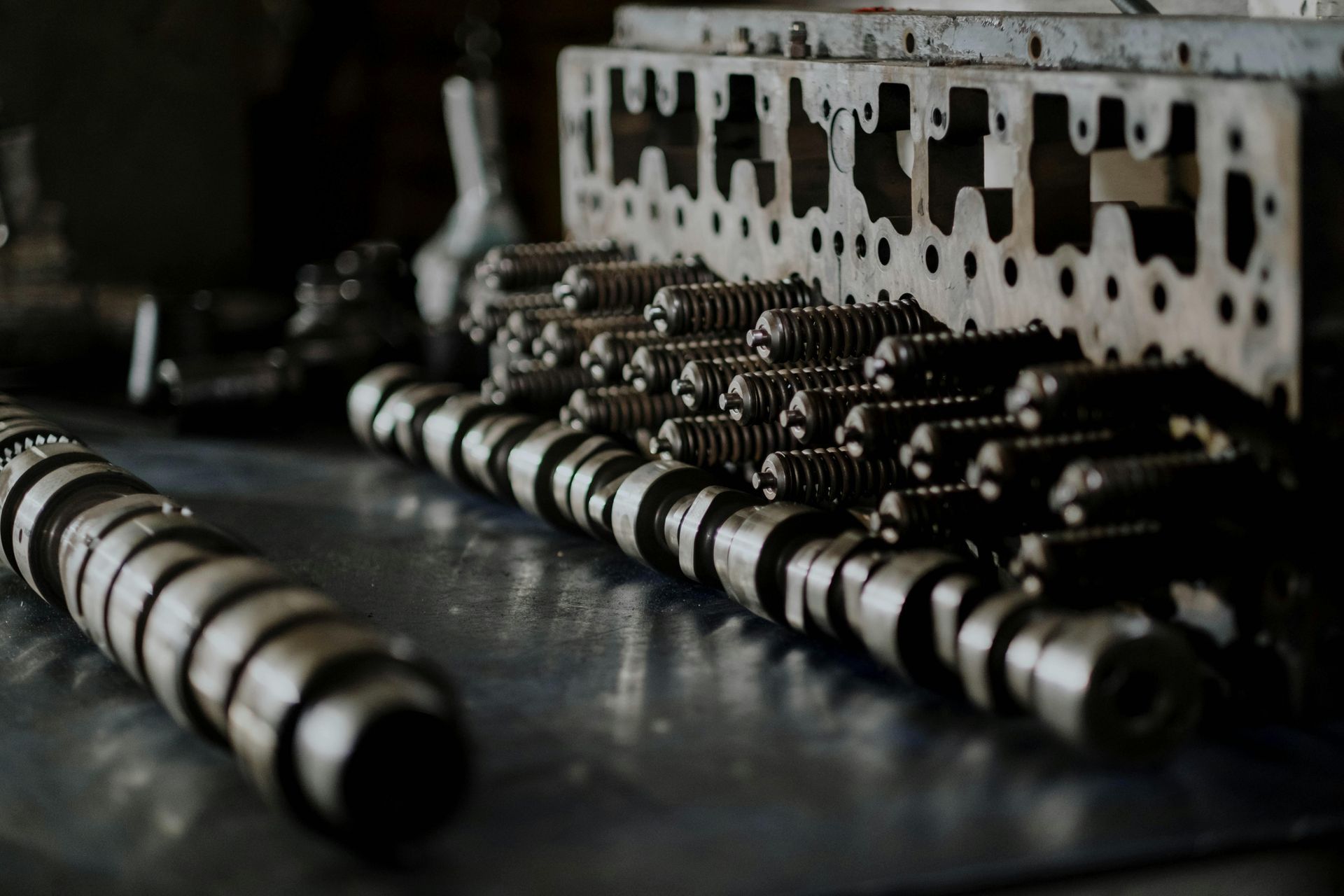
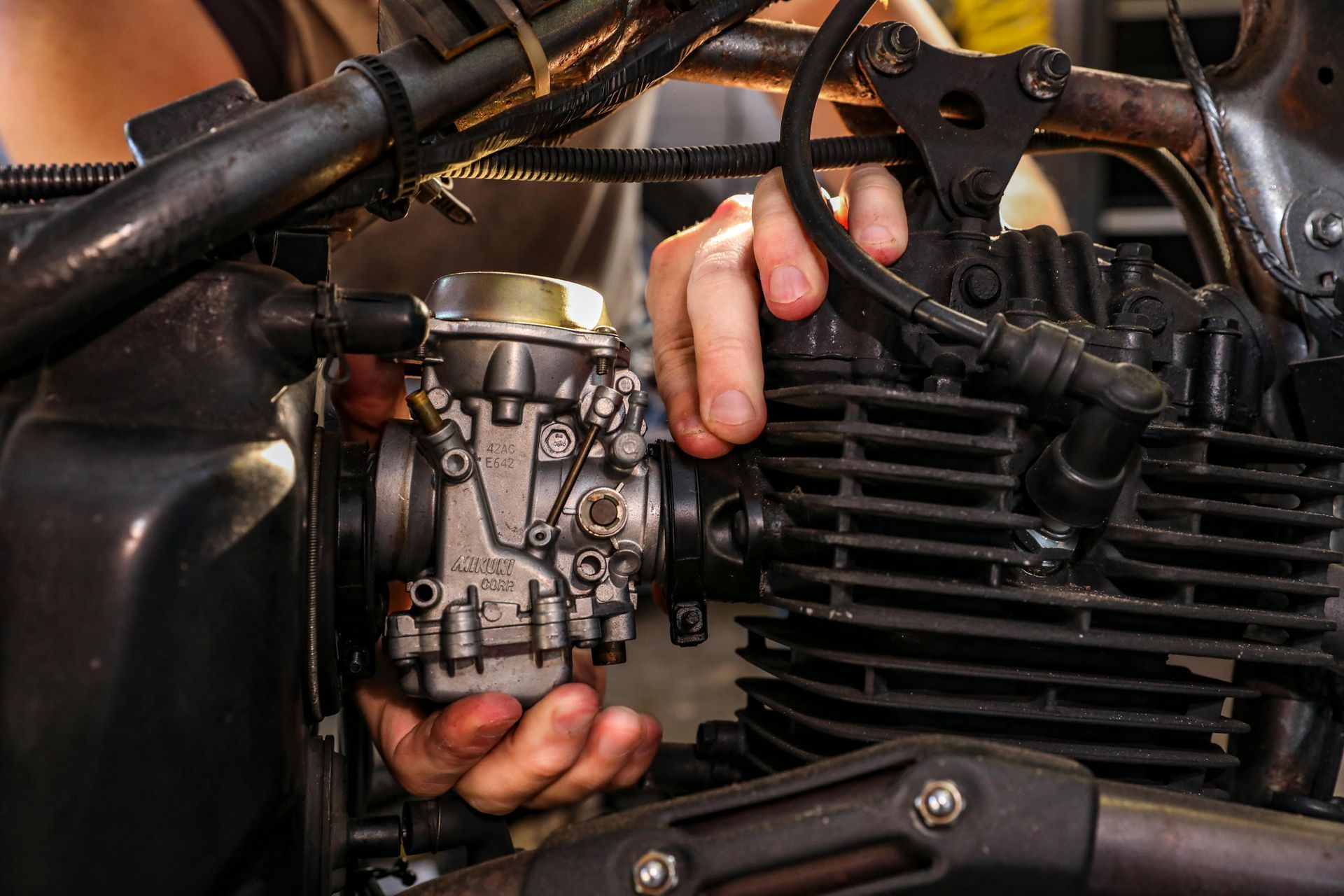
Is your car not performing like it used to? A sluggish engine could be more than just wear and tear—it might be dirty. Over time, your engine collects dirt, oil, grease, and carbon buildup, all of which can impact your vehicle’s efficiency and power. At Autopia Bloomington, we specialize in professional engine cleaning services that restore your car’s performance and protect its longevity.

Why Engine Cleaning Is Critical for Your Car’s Health

Your engine is the powerhouse of your vehicle, and keeping it clean isn’t just about aesthetics. Regular engine cleaning offers a wide range of benefits that keep your car running efficiently:

  • Improves Fuel Efficiency – A dirty engine can hinder performance, forcing your vehicle to work harder and use more fuel. Cleaning your engine helps maximize gas mileage.
  • Restores Power and Acceleration – Gunk buildup can clog engine components and sensors, affecting throttle response and acceleration. A clean engine delivers smoother and more powerful driving.
  • Prevents Overheating – Dust, debris, and oil can trap heat under the hood. Professional engine cleaning clears away buildup, helping your engine stay cool and reducing the risk of overheating.
  • Reduces Risk of Expensive Repairs – Cleaning gives technicians a chance to spot leaks, corrosion, and early signs of wear before they escalate into major issues.
  • Extends Engine Life – Routine cleaning removes contaminants that wear down engine components, helping extend your engine’s lifespan.

Signs You Might Need an Engine Cleaning

If you're experiencing any of the following issues, it might be time to schedule a professional engine cleaning at Autopia Bloomington:

  • Decreased Fuel Economy
  • Rough Idling or Hesitation When Accelerating
  • Strong Odors from the Engine Bay
  • Visible Grease, Oil, or Debris Under the Hood
  • Check Engine Light Comes On

Why Choose Autopia Bloomington for Engine Cleaning?

We use high-quality, safe, and effective engine cleaning products to protect your vehicle’s components. Our trained technicians are experts in deep engine cleaning, giving your vehicle the care it deserves.

  • Expert Technicians – We understand engine systems inside and out, ensuring every job is done right.
  • Advanced Tools and Techniques – We use the latest tools and proven cleaning methods.
  • Full Inspection Included – Every cleaning includes a thorough inspection to catch leaks and wear early.
  • Customer Satisfaction – Our goal is to keep your car running like new—and keep you coming back.

Book Your Engine Cleaning Today at Autopia Bloomington

Don't wait for performance issues to worsen. Restore your engine’s power, boost fuel efficiency, and protect your investment with a professional engine cleaning from Autopia Bloomington.


Schedule your service today and experience the difference a clean engine can make!

Schedule an Appointment
How Nissan Engines Show Gradual Combustion Efficiency Changes - Autopia Auto Repair
By nicklawson311 June 5, 2026
One of the most common yet least noticeable developments is a gradual shift in combustion efficiency. Unlike a sudden mechanical failure, these changes occur slowly over time, often without triggering warning lights or creating obvious drivability problems.
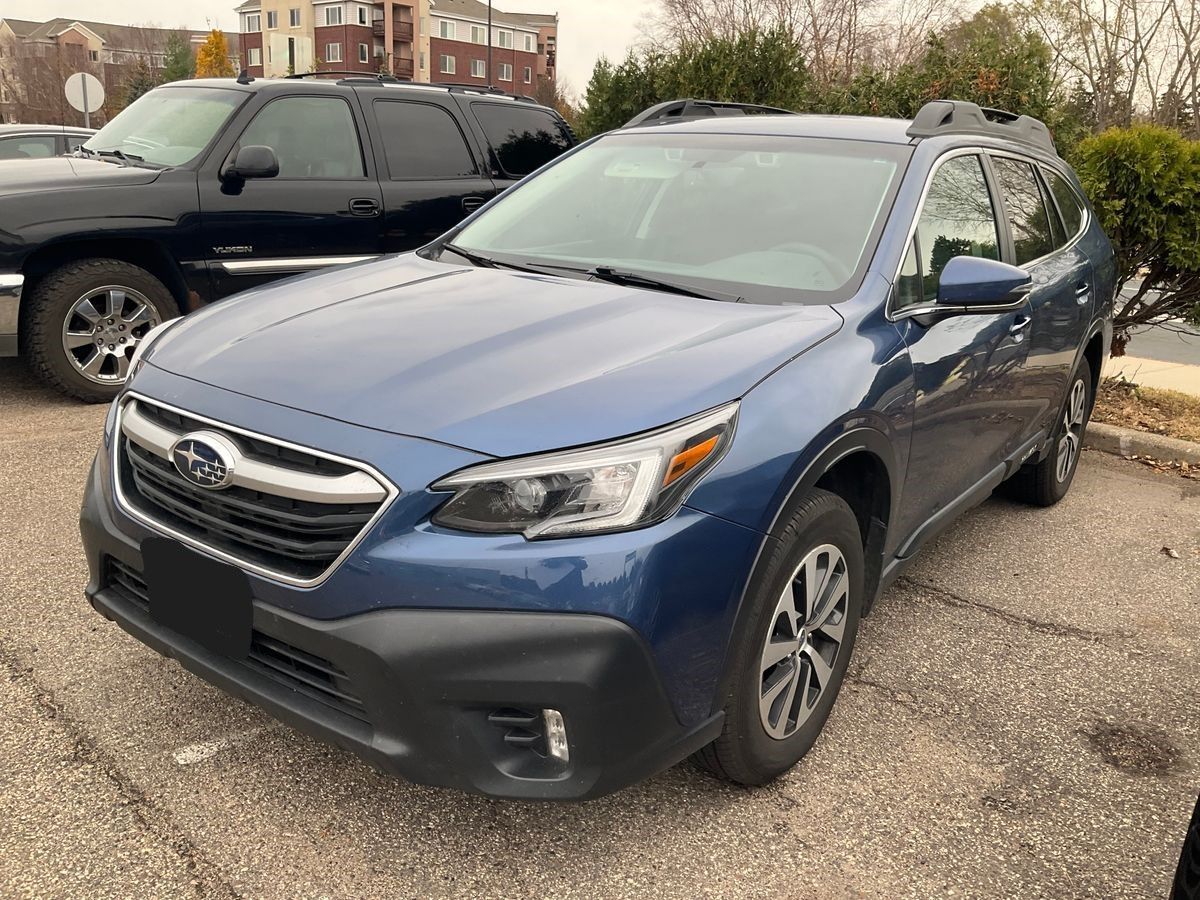
Why Subaru Vehicles Require Deeper Diagnostics for Subtle Performance Issues - Autopia Auto Repair
By nicklawson311 June 5, 2026
The challenge is not that these vehicles are unreliable, but that their systems are designed to adapt and compensate, which can hide early warning signs. This is why Subaru performance diagnostics often require deeper inspection methods than standard checks.
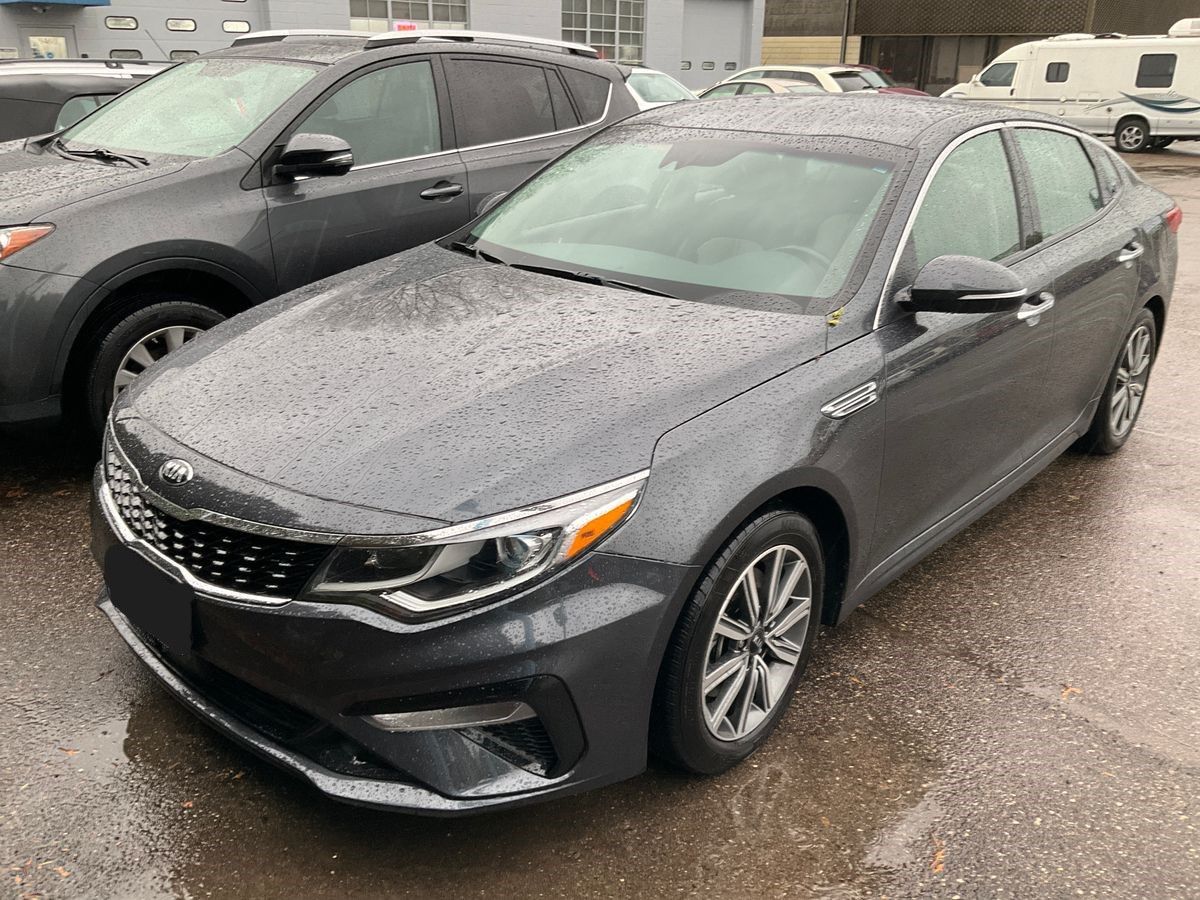
Why Kia Cars Show Subtle Changes in Power Delivery Over Time - Autopia Auto Repair
By nicklawson311 June 4, 2026
At Autopia Bloomington, we often see this pattern in Bloomington auto repair cases involving Kia models. These changes are usually gradual, not sudden, and they develop as multiple small systems begin to shift with age and use.
Why Mazda Cars Can Lose Smooth Acceleration Without Warning Signs - Autopia Auto Repair
By nicklawson311 May 29, 2026
Smooth acceleration depends on how efficiently the engine responds to driver input. In Mazda vehicles, this response can slowly change as small internal shifts develop over time.
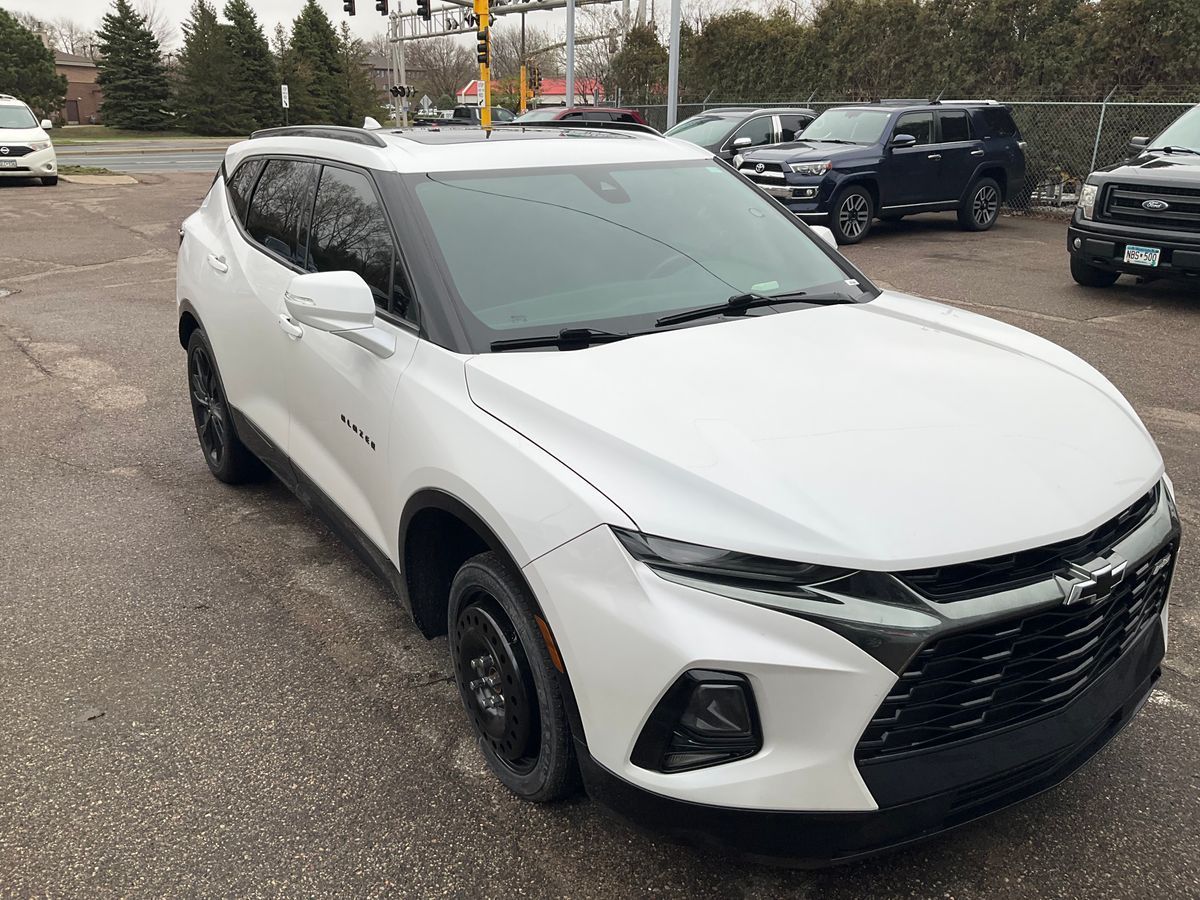
Why Chevrolet Vehicles Experience Gradual Fuel Delivery Imbalances - Autopia Auto Repair
By nicklawson311 May 28, 2026
Оver time, many Chevrolet vehicles begin developing gradual fuel delivery imbalances that affect performance in subtle ways before becoming more noticeable.
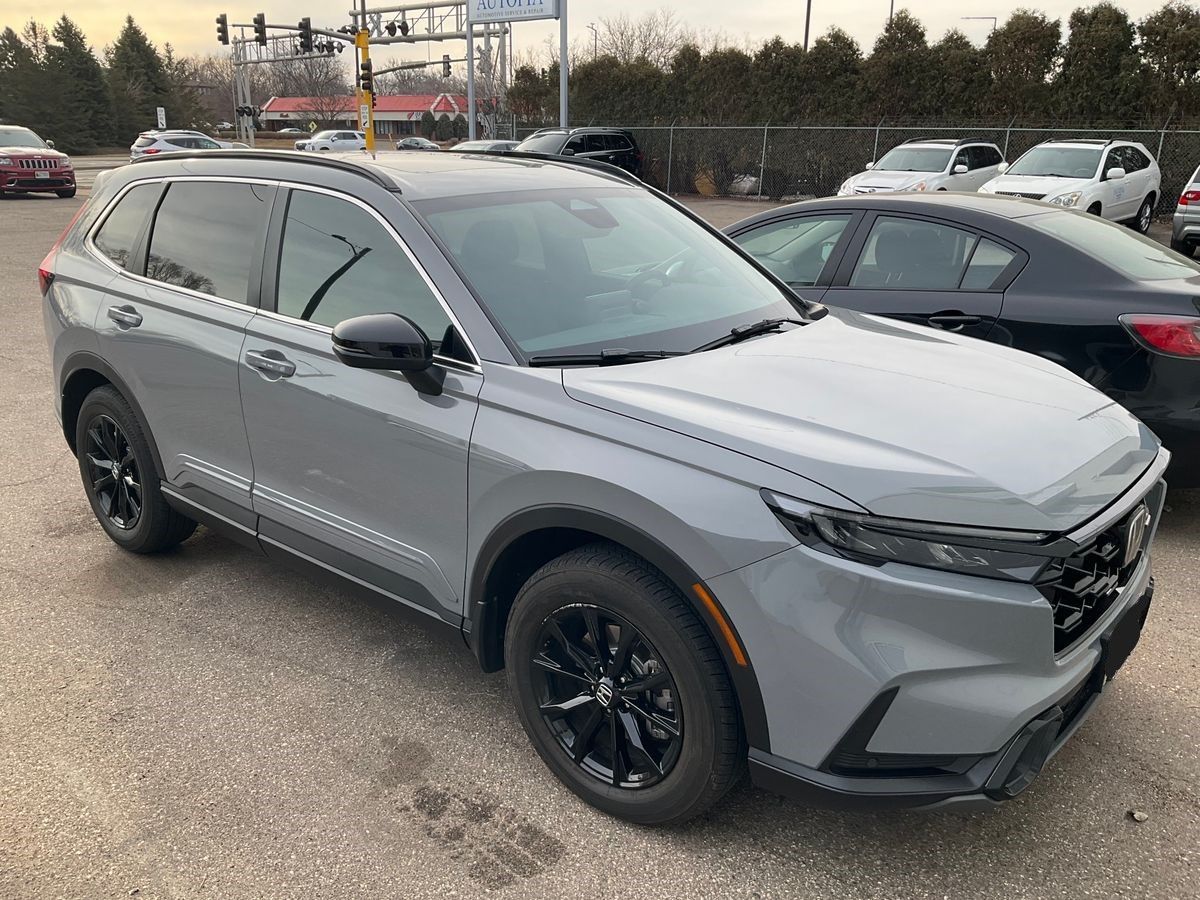
How Honda Vehicles Develop Long-Term Engine and Transmission Stress - Autopia Auto Repair
By nicklawson311 May 28, 2026
Even reliable vehicles gradually develop engine and transmission stress over time. These changes often happen slowly and quietly, making them easy to overlook in the early stages.
How Chevrolet Vehicles Respond to Long-Term Road Condition Stress - Autopia Auto Repair
By nicklawson311 May 22, 2026
Chevrolet vehicles are built to handle a wide range of driving environments, from smooth highways to rough city roads. Over time, however, even well-built vehicles begin to show the effects of long-term road condition stress.
What Causes Nissan Vehicles to Develop Intermittent Performance Changes - Autopia Auto Repair
By nicklawson311 May 22, 2026
While Nissan models are generally reliable, intermittent performance issues are usually not caused by a single failure. Instead, they develop from small inconsistencies across multiple systems that only appear under certain conditions.
Why Toyota Vehicles Develop Performance Changes Even With Regular Use - Autopia Auto Repair
By nicklawson311 May 22, 2026
While these vehicles are built to last, every car still experiences gradual performance shifts over time—even with regular use and proper maintenance.
What Leads to Progressive Changes in Vehicle Operation Over Years - Autopia Auto Repair
By nicklawson311 May 15, 2026
Progressive changes in vehicle operation are normal—but they are not random. They are the result of long-term wear, habits, and environmental stress working together.