

Blog #166: Why Your Engine Warning Light Should Never Be Ignored
Blog #166: Why Your Engine Warning Light Should Never Be Ignored

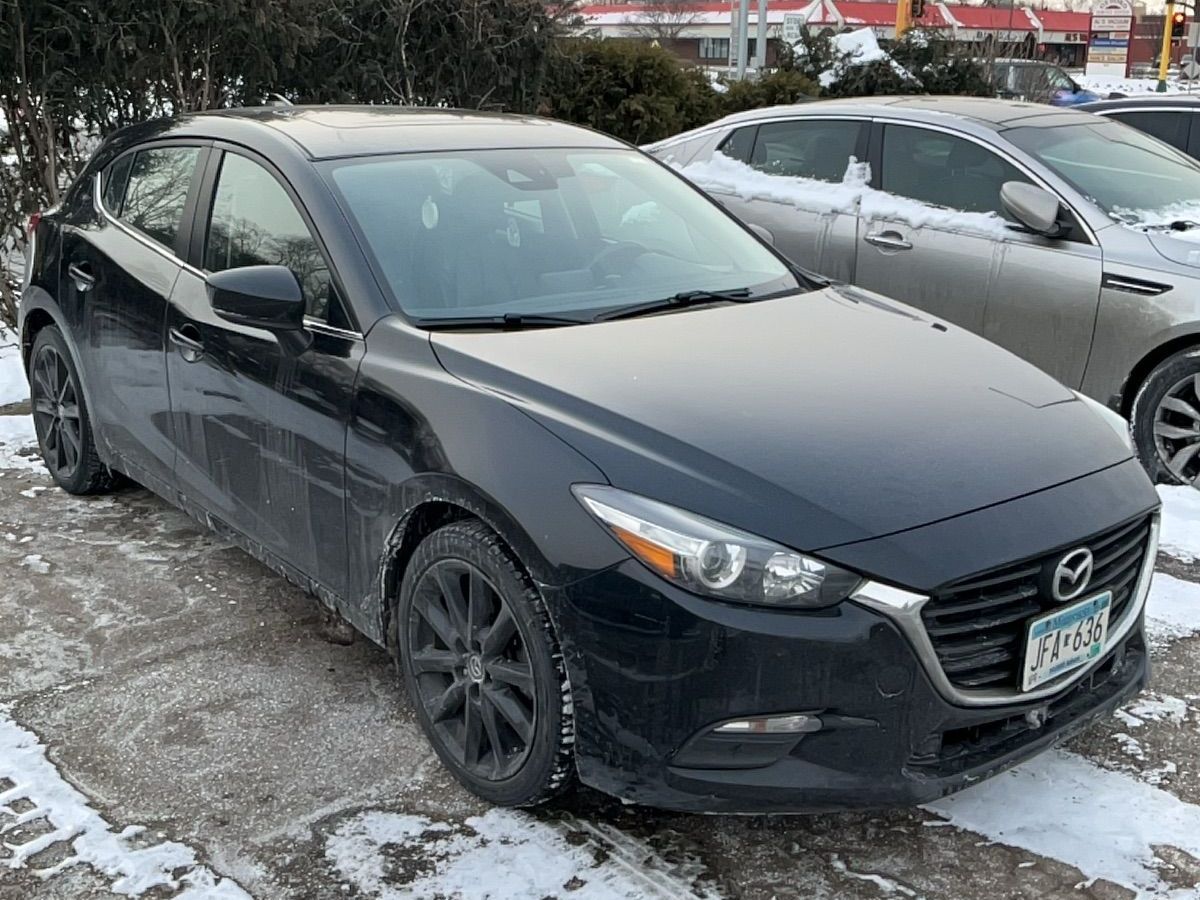
When drivers pull into
Autopia Bloomington, one of the most common things we hear is:
“My engine light came on, but the car still drives normally… so I figured I’d wait.”
That single sentence is the reason so many major repairs happen unnecessarily. The engine warning light rarely shows up when a car feels “broken.” It appears when the vehicle’s computer detects something a driver can’t see, hear, or feel — yet.
This light isn’t dramatic or loud; it’s subtle. And that’s what makes it dangerous.
Your Engine Warning Light Is the Car’s First Line of Defense
While most people assume the warning light only relates to the engine, it actually monitors:
- Fuel delivery
- Ignition timing
- Exhaust flow
- Air intake
- Emissions components
- Electrical sensors
- Cooling performance
- Internal communication between modules
Modern vehicles run on data. One sensor drifting just a little outside of its normal range can trigger the light long before the driver notices anything unusual.
This is good — it means you get a warning before parts start failing.
But it only works if the warning isn’t ignored.
The Biggest Misconception: “If the Car Still Runs, the Problem Isn’t Serious”
Many issues that trigger the engine warning light do not immediately affect how the car feels.
Your engine control module works overtime to compensate, mask symptoms, adjust fuel use, and stabilize performance.
That creates a false sense of safety.
You don’t feel the damage as it’s happening.
Tiny misfires, airflow irregularities, or fuel imbalances can cause premature wear on internal components — even while the car seems fine.
The car feels normal, because the computer is hiding the problem.
But the computer can’t do that forever.
When a Small Problem Becomes a Chain Reaction
Here’s where most drivers get caught:
What starts as a $50 sensor issue turns into thousands of dollars in repairs because of the domino effect. A few examples:
1. A Loose Gas Cap → Evaporative Leak → Failing Emissions Components
A simple gas cap can create pressure issues that weaken other components over time.
2. A Slight Misfire → Overheating Catalytic Converter → Total Failure
Misfires push unburned fuel into the converter, raising temperatures to damaging levels.
3. Bad Airflow → Incorrect Fuel Mixture → Poor Engine Efficiency
Too much or too little air causes ongoing stress to pistons and valves.
4. Weak Oxygen Sensor → Wrong Fuel Ratios → Reduced MPG + Engine Stress
The car burns more fuel, runs hotter, and accumulates carbon faster.
By the time symptoms catch up, the damage is already underway.
Steady Light vs. Flashing Light — Don’t Treat Them the Same
Steady Light
A steady light means something is off, but the vehicle is still trying to maintain balance.
You’re safe to drive — but not safe to delay.
Flashing Light
A flashing engine light means
active engine misfire.
Every minute the car runs, damage is increasing.
This is the kind of issue that destroys catalytic converters, overheats internal parts, and leads to sudden breakdowns.
If the light is flashing, do not keep driving. Pull over and call a professional.
The Hidden Danger: You Can’t Diagnose It by Guessing
Drivers often try to “figure out” the cause based on symptoms, but the engine light doesn’t work that way.
The Same Symptoms Can Come From 10 Different Problems
A rough idle could be caused by:
- failing spark plugs
- coil issues
- dirty throttle body
- vacuum leaks
- fuel mixture problems
- injector issues
- clogged PCV valve
- sensor errors
- contaminated fuel
- or even software glitches
You can’t guess your way to the right answer — you’ll end up replacing parts you don’t need.
Why Professional Diagnosis Makes All the Difference
At
Autopia Bloomington, engine light diagnostics go far beyond plugging in a cheap scanner.
We analyze:
- Real-time sensor data
- Fuel trims
- Airflow patterns
- Temperature fluctuations
- Misfire counts
- Electrical signals
- Pressure levels
- Communication between modules
Instead of giving you a vague “code,” we identify the root cause and prevent unnecessary part replacements.
This saves time, money, and future stress.
The Subtle Warning Signs That Often Follow an Engine Light
Even if the car drives normally, you might notice small changes:
- Slight drop in fuel economy
- Longer starts
- Occasional rough idle
- Mild exhaust smell
- Reduced acceleration
- Noticeable vibrations
- Hesitation during gear shifts
These signs appear gradually and are easy to ignore — but they help confirm that the engine light is signaling a real problem.
Why You Shouldn’t Rely on Quick Fixes or Clearing the Code
Many drivers try:
- unplugging the battery
- clearing the code with a scanner
- tightening the gas cap
- adding fuel additives
While some tricks temporarily turn the light off, they don’t fix the underlying issue.
If the code reappears, it means the problem is real — and worsening.
Turning the light off is not the same as repairing the cause.
Common Causes Behind an Engine Warning Light
Here are some issues we see often in Bloomington:
- failing ignition coils
- bad O2 sensors
- loose or faulty gas caps
- dirty mass airflow sensors
- EGR system problems
- vacuum leaks
- EVAP issues
- worn spark plugs
- catalytic converter inefficiencies
- fuel injector troubles
These range from minor to critical — but all require attention before they escalate.
FAQ: Quick Answers Drivers Want to Know
Q: My engine light turned off by itself. Does that mean the problem is gone?
Not necessarily — intermittent issues still need to be checked before they get worse.
Q: Can cold weather or humidity cause the light to come on?
Yes. Weather can expose weak sensors or small leaks.
Q: Can I drive with the light on if the car feels fine?
Only if it’s steady — and only short distances. Schedule diagnostics soon.
Q: What if the light comes on right after getting gas?
It could be the gas cap or low-quality fuel, but don’t assume. Let a technician confirm.
Q: How quickly should I get my car looked at?
Within a few days for a steady light. Immediately for a flashing light.
Don’t Wait for Damage — Let Experts Catch Problems Early
Your engine warning light is one of the smartest safety tools your car has — but only if you take it seriously.
It doesn’t come on for no reason. It appears before you feel the problem, giving you a chance to fix it while repairs are still simple and affordable.
If your engine light is on, visit Autopia Bloomington for a precise diagnosis and a repair plan that protects your vehicle — and your wallet — in the long run.