

Blog #170: Why Your Car Hesitates When Accelerating
Blog #170: Why Your Car Hesitates When Accelerating
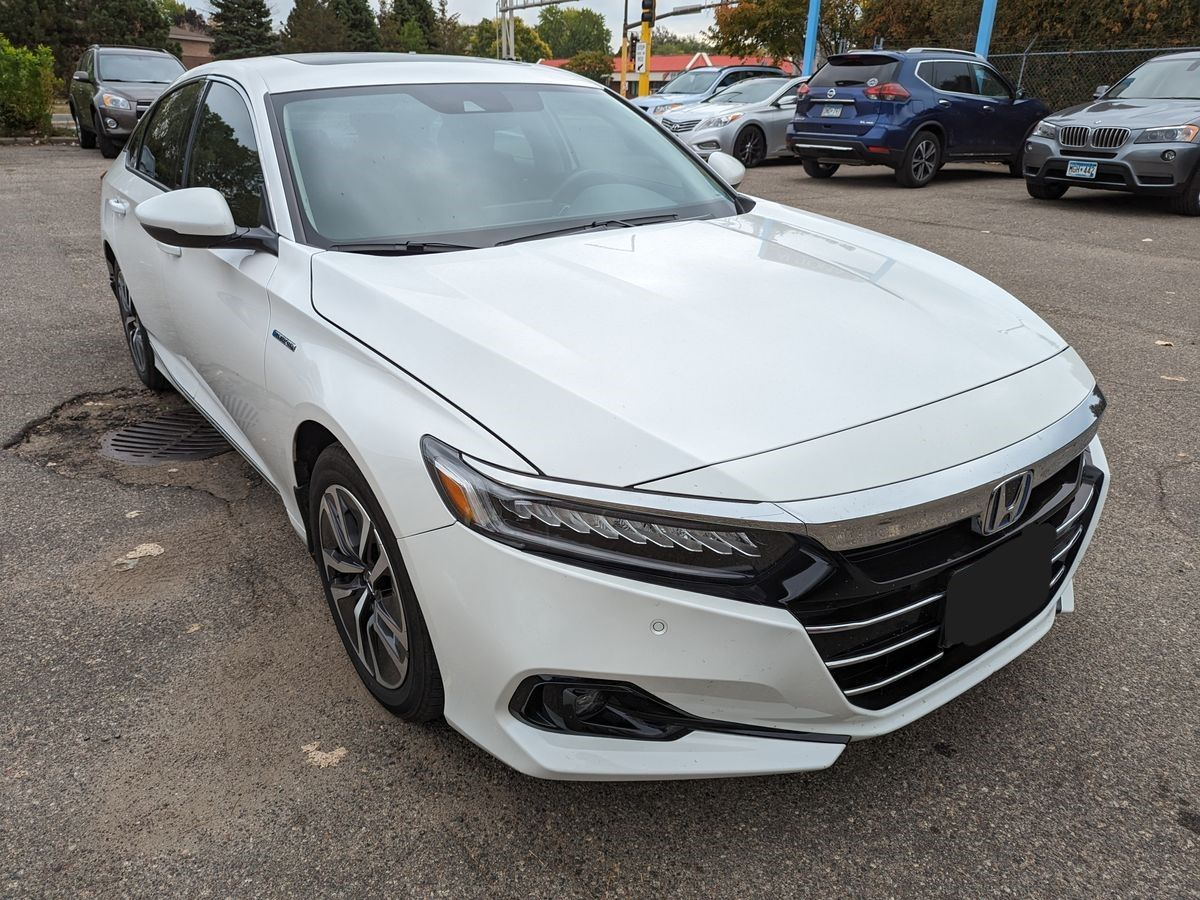
Few things are more frustrating than pressing the gas pedal and feeling your car hesitate before responding. That brief delay—whether it’s a stumble, lag, or momentary loss of power—can be unsettling and often signals that something isn’t working the way it should. While hesitation may seem minor at first, it’s usually your vehicle’s way of warning you that attention is needed.
At Autopia Bloomington, we see this issue often, and it rarely comes from just one cause. Understanding what’s behind the hesitation can help you address the problem early and avoid more serious (and expensive) repairs later.
Fuel Delivery Problems
One of the most common causes of hesitation is an issue with fuel delivery. Your engine relies on a precise mix of air and fuel to accelerate smoothly. When that balance is disrupted—due to a clogged fuel filter, dirty fuel injectors, or a weakening fuel pump—the engine struggles to respond quickly.
Symptoms often include sputtering, delayed acceleration, or uneven power during takeoff. Over time, restricted fuel flow can stress other engine components, turning a minor issue into a major repair.
Air Intake Restrictions
Your engine needs clean air to function efficiently. If the air filter is clogged or the intake system has leaks, airflow becomes restricted. This disrupts the air-to-fuel ratio and can cause hesitation or sluggish acceleration.
Dust, debris, and even small cracks in intake hoses can quietly affect performance long before a warning light appears. Regular inspection of the air intake system helps maintain smooth throttle response.
Throttle and Sensor Issues
Modern vehicles rely on electronic sensors to control acceleration. Throttle position sensors, mass airflow sensors, and oxygen sensors all work together to tell the engine how much fuel to deliver.
When one of these components begins to fail or send inaccurate data, your car may hesitate, surge, or respond inconsistently. These issues don’t always trigger a dashboard warning right away, which is why professional diagnostics are important when performance feels off.
Transmission Hesitation
Not all hesitation comes from the engine. In some cases, delayed acceleration is caused by the transmission struggling to shift properly. Low or degraded transmission fluid, worn components, or software issues in modern automatic transmissions can all contribute.
This is especially noticeable when accelerating from a stop or when merging onto highways. Addressing transmission concerns early helps prevent costly internal damage.
Ignition System Wear
Spark plugs and ignition coils play a major role in how smoothly your engine runs. Worn plugs or failing coils can cause misfires that feel like hesitation or jerking during acceleration. Even if the problem seems minor, ignoring it can lead to increased fuel consumption and engine stress.
Why You Shouldn’t Ignore Hesitation
A brief delay in acceleration might not seem urgent, but it often points to a growing problem. Left unchecked, small issues can cascade into breakdowns, reduced fuel efficiency, or unsafe driving conditions.
At Autopia Bloomington, we focus on identifying the root cause—not just masking symptoms. Our diagnostic process looks at fuel, air, ignition, and electronic systems to ensure nothing is overlooked.
Keep Your Drive Smooth and Responsive
If your car hesitates when you press the gas, it’s time to have it inspected. Early attention saves money, improves performance, and restores confidence behind the wheel.
Autopia Bloomington is here to help keep your vehicle running smoothly, efficiently, and safely—so every drive feels as responsive as it should.