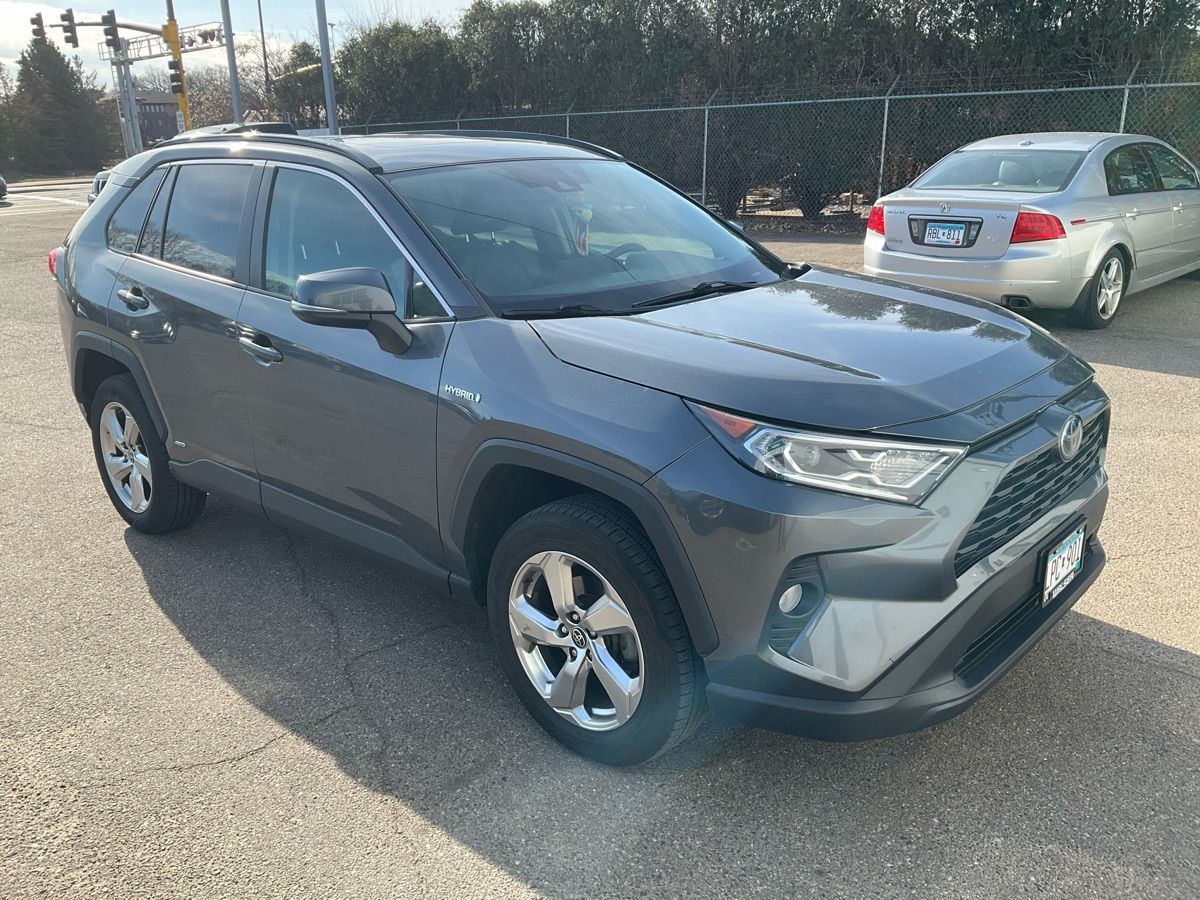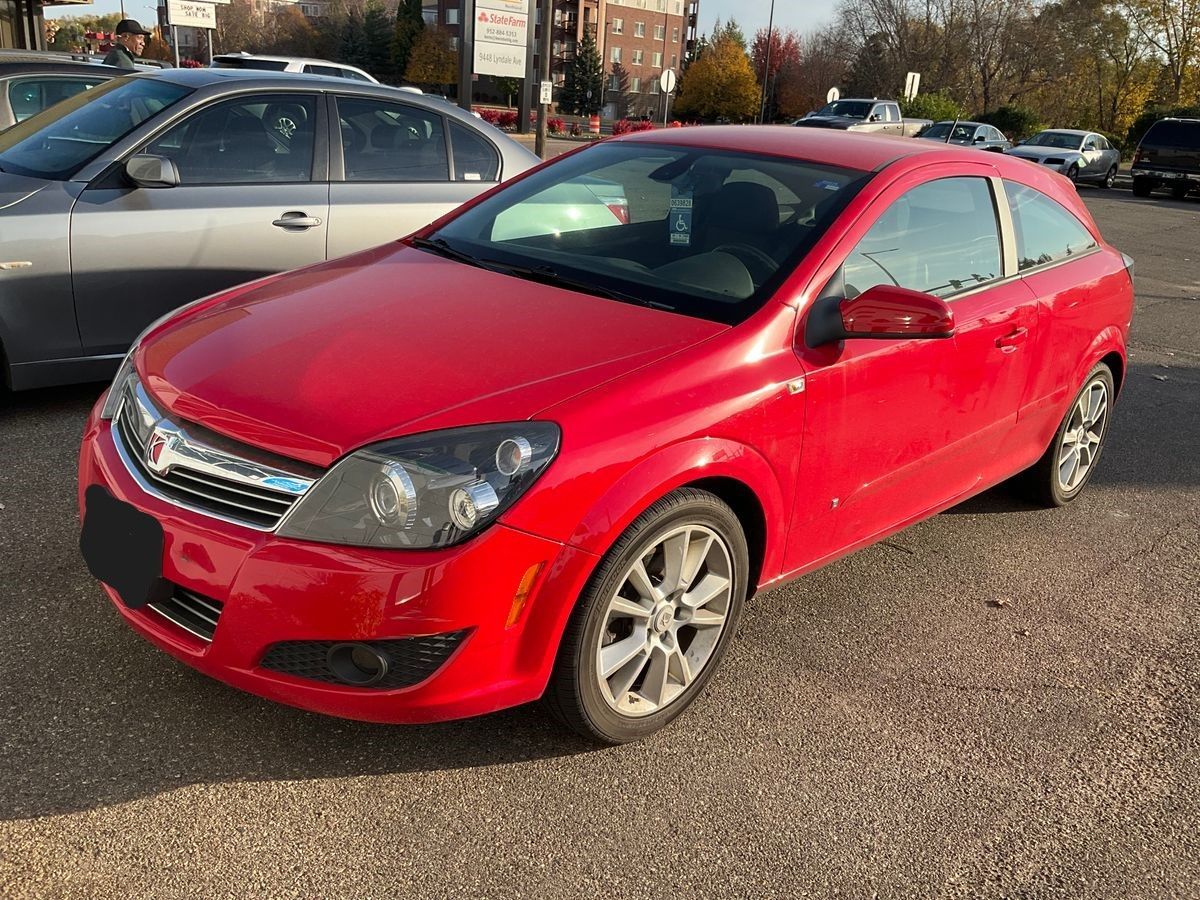


Blog 169: Why Your Car Still Needs Service Even With Low Mileage
Blog 169: Why Your Car Still Needs Service Even With Low Mileage

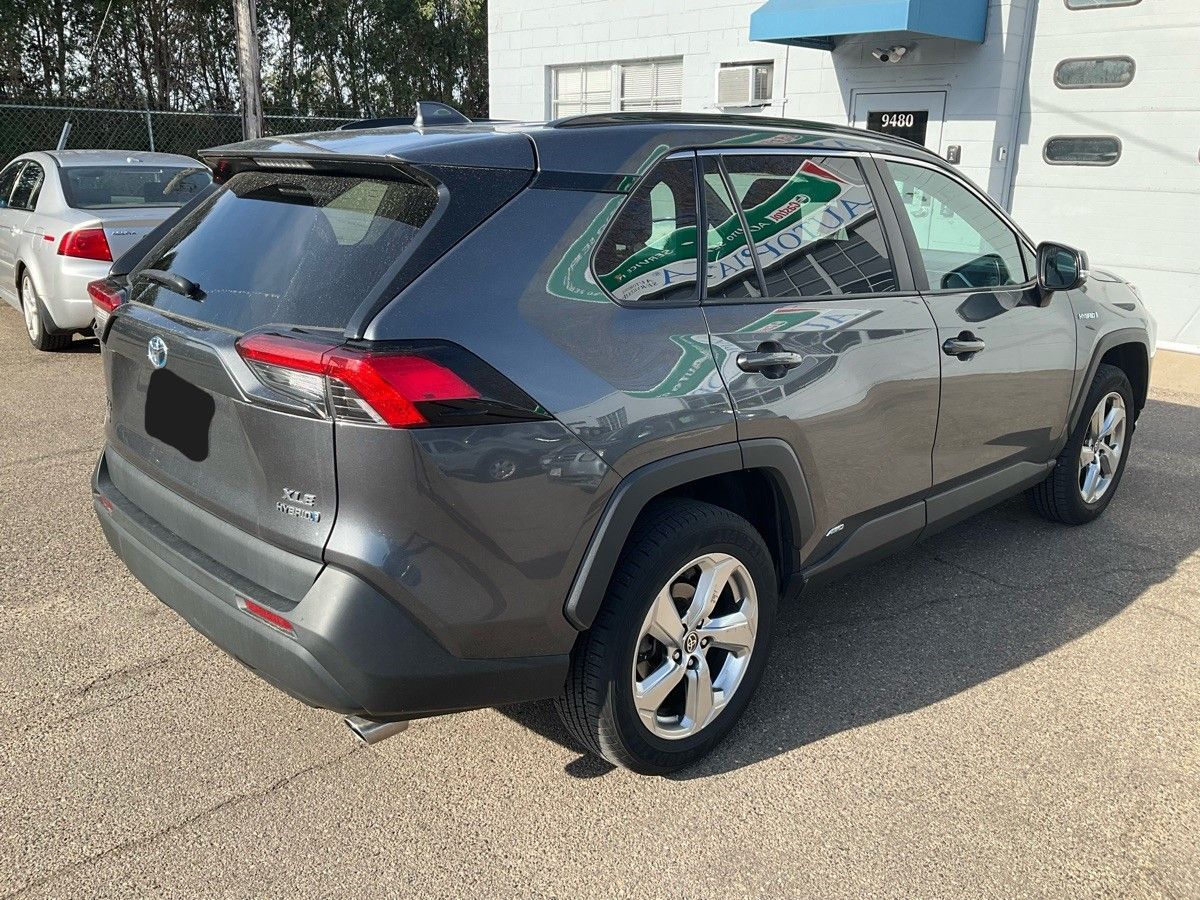
Autopia Bloomington sees this all the time: drivers assume their vehicle doesn’t need service because they barely put miles on it. The logic seems fair—less driving should mean less wear. But modern vehicles age in ways mileage can’t measure.
A car sitting in a Bloomington driveway for weeks can experience more hidden deterioration than one driven daily. That’s why even low-mileage vehicles need regular service.
Below, we reveal the overlooked reasons maintenance matters—even when your odometer looks reassuring.
Sitting Still Isn’t Rest—It’s Slow Wear
When a vehicle isn’t driven:
- Fluids settle and thicken
- Seals dry out
- Rust forms faster
- Batteries drain naturally
Engines are designed to circulate fluids and maintain pressure regularly. When the car sits unused, parts begin to break down without showing obvious symptoms—until the moment they fail.
So even if the numbers on your dashboard rise slowly, time is still working against critical components.
Short Trips Cause More Damage Than Long Drives
Low-mileage driving often means:
- quick commutes
- weekend errands
- grocery runs
These short cycles prevent your engine from reaching ideal operating temperature. Fuel and moisture can build up inside the oil and exhaust, creating sludge and corrosion long before mileage-based maintenance is due.
The result? A “lightly used” car that internally ages faster than expected.
Low Mileage Doesn’t Stop Rubber From Aging
Belts, hoses, bushings, and seals degrade with oxygen and heat—not miles.
That means:
- cracks form invisibly
- rubber softens or hardens unevenly
- leaks develop slowly
This aging process is chemical and time-based. Even if the odometer barely moves, rubber parts still expire on schedule.
Fluids Break Down with Time, Not Just Miles
Brake fluid absorbs moisture. Coolant loses protection. Oil oxidizes. Transmission and differential fluids degrade chemically whether the car is driven or not.
If you stick to mileage intervals alone, crucial fluids can quietly lose effectiveness—and that can cause costly failure.
For example:
- old coolant leads to overheating
- moisture-heavy brake fluid reduces stopping power
- aging oil increases internal wear
Time-based service protects against this kind of slow damage.
The Battery Feels Low Mileage the Most
A parked car is still active:
- alarms run
- computers stay awake
- electronics draw small amounts of power
Without regular driving to recharge the battery, voltage drops. A premature dead battery is one of the most common low-mileage failures we see at Autopia Bloomington.
Low Mileage Cars Can Still Fail Unexpectedly
Drivers sometimes believe low mileage equals zero risk—but damage is often hidden until it suddenly causes:
- stalling
- warning lights
- fluid leaks
- overheating
- brake failure
Regular service catches problems at the beginning—not when they become expensive emergencies.
How to Protect a Low-Mileage Vehicle
Even if your vehicle spends more time sitting than moving:
✔ Get maintenance based on
time, not just miles
✔ Allow longer drives occasionally to circulate fluids fully
✔ Keep battery terminals and connections clean
✔ Store the car in a dry, covered space
These simple habits protect internal systems and preserve long-term reliability.
The Bottom Line
Mileage tells part of the story, but time tells the rest. Ignoring maintenance for low-use vehicles leads to silent deterioration that becomes expensive later.
Routine inspections keep small issues from building into major failures.
If you rarely drive your vehicle, don’t assume it’s safe—give it the same attention you'd give a daily commuter.
Visit Autopia Bloomington for time-based inspections and personalized maintenance schedules designed to keep your car reliable, no matter how few miles you travel.